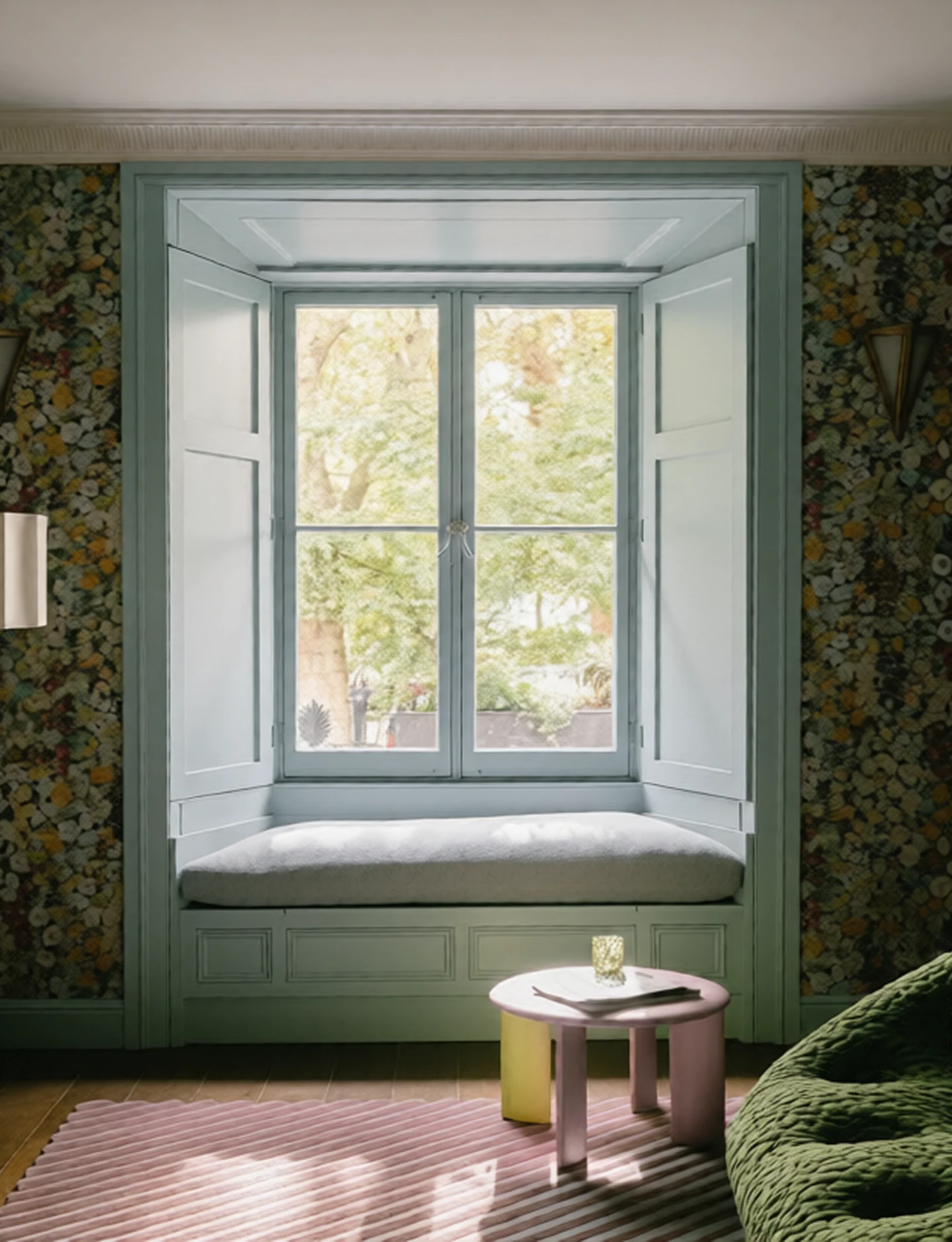
Interior designers bring in a logistics partner early because the delivery of a project shapes its schedule as much as the construction does. Pieces arrive from many suppliers, on different dates, in varying condition. Buildings set strict rules for when and how anything can come through the door. A logistics partner receives, inspects, coordinates and installs, so the designer’s time goes into design and the client sees only the finished room.
It is rarely the most visible decision on a project, but it often protects everything else.
The problem with the last mile
A residential project might bring together furniture from several makers, lighting from abroad, rugs from a dealer, art from a gallery and fabric from a workroom. Each arrives on its own timeline, through its own carrier, often in packaging that hides what is inside.
Left to chance, the result is familiar: a sofa delivered to a building that has no elevator booking, a console left in a lobby, a crate opened weeks later to find a cracked top that the supplier will no longer accept as a claim. None of these is a design problem. All of them reach the client as one.
What a logistics partner does
Receives
Deliveries from every supplier come to one place and one team. The designer no longer has to be at a job site or a client’s door to sign for a pallet.
Inspects
Each piece is unpacked and checked on arrival, against the order and for damage. Many suppliers allow only a short window for reporting damage, so a crack found on the day it arrives is far easier to claim than one found on installation day.
Coordinates
The partner deals with the building: elevator windows, certificates of insurance, loading dock times, moving hours. It schedules deliveries around the trades, so a painter is not working around a pallet and a new floor is not crossed by a dolly before it has cured.
Installs
On the day, pieces arrive in the order the room needs them and are placed to the plan, and the packaging leaves with the crew. The client walks into a finished room, not a delivery.
Why before the contractor
Designers often think of logistics as the last step, something to book once the walls are painted. In practice, the logistics decide what is possible much earlier.
- Building rules set the calendar. If a condo allows deliveries only on weekday afternoons, in four-hour windows, a large installation may need more than one day. That needs to be known when the schedule is drawn up, not the week before.
- Access shapes the specification. A sectional that will not fit the service elevator is better discovered while it can still be ordered in two pieces.
- Lead times overlap. Furniture often arrives before the space is ready for it. Someone needs to hold it, safely, until it is.
- Protection affects the finish. Who protects the new floors, the stair rail and the freshly painted corners during the installation should be agreed before the contractor hands the space back.
Bringing a logistics partner into the early conversations, alongside the contractor, means these constraints are planned for rather than discovered.
What the client never sees
The best compliment a designer can receive on installation day is silence about the process. The client should not hear about the delayed shipment, the damaged lamp or the elevator that was booked for the wrong afternoon. They should see the room.
That depends on a crew that understands it is working under the designer’s name. They arrive on time, in uniform, keep their voices low, protect the home, place each piece exactly where the plan says, and leave nothing behind but the room. They do not discuss the client’s home with anyone. They answer to the designer.
What to look for
If you are a designer choosing a logistics partner, a few questions tell you most of what you need to know:
- Will you receive and inspect deliveries from all of my suppliers?
- How quickly will you report damage, and in what form?
- Will you handle building bookings and insurance certificates directly?
- Can you install to my plan, in the order I set?
- Who leads your crew on installation day, and will they be the same person each time?
- How do you protect a newly finished home?
Storage and staging
Furniture rarely arrives when the space is ready for it. A sofa can land months before the floors are finished, and a dining table may arrive while the kitchen is still being fitted. Pieces that wait in a garage or a half-finished room are at risk from dust, damp and passing trades.
A logistics partner can hold pieces safely until installation, in storage that is clean, dry and secure. It can also stage an installation: bringing everything together, checked and ready, so that on the day the crew arrives with a complete set rather than a series of separate deliveries.
A simple project rhythm
Every project is different, but a well-run delivery often follows a pattern:
- When the design is approved: share the furniture schedule and the building’s rules with the logistics partner.
- As orders are placed: confirm where each supplier will deliver, and when.
- As pieces arrive: receive, unpack, inspect and report. Raise any damage with the supplier straight away.
- A few weeks before installation: confirm the building bookings, the installation plan and the order of the day.
- On installation day: protect, install, clear and walk through with the designer.
The steps are simple. They need one team holding all of them, from the first order to the final walk-through.
When a piece arrives damaged
Even the best suppliers occasionally ship a damaged piece. When that happens, the speed of the report matters. Photographs taken when the crate is opened, a note of the packaging condition and a prompt message to the supplier give the designer the strongest position to ask for a repair or replacement, and the best chance of keeping the installation date.
A partnership, not a delivery
The projects that run most smoothly are the ones where the designer, the contractor and the logistics partner talk early and often. Each protects the others’ work. The client gets the room they were shown on paper, and that is what they paid for.
If you are a designer working in Toronto, get in touch to talk about delivery, storage and placement for your next project. If you work with us on a regular basis, you can open a trade account.